 BOOK
BOOK APPOINTMENT
BOOK 
Breast cancer is the most common cancer among women in India. According to national data, 27.7% of all new cancers diagnosed in women in 2018 were breast cancers. This means that breast cancer affects women across all regions, social backgrounds, and age groups.
In India, one woman is diagnosed with breast cancer every four minutes, and one woman loses her life to breast cancer every eight minutes. In 2018 alone, an estimated 1,62,468 women were newly diagnosed with breast cancer, while 87,090 women died due to the disease, making India the country with the second-highest number of breast cancer–related deaths in the world for that year.
India has a predominantly young population, and increasingly, breast cancer is being diagnosed in younger women than ever before. As lifestyles change and life expectancy increases, the number of women affected by breast cancer is expected to rise further. Statistics like these can feel alarming, but it is important to understand what they truly represent.
Breast cancer does not have a single cause and usually develops due to a combination of biological, hormonal, genetic, and lifestyle-related factors. Being a woman is the strongest risk factor, and the risk increases with age, particularly after 40 years, although breast cancer can also occur in younger women. A family history of breast cancer, especially in close relatives such as a mother, sister, or daughter, may increase risk. Certain inherited genetic changes, such as BRCA1 and BRCA2 mutations, are known to raise the risk, though they account for only a small percentage of all breast cancer cases.
Hormonal and reproductive factors also play a role. Early onset of menstruation, late menopause, not having children, or having the first child later in life can increase a woman’s lifetime exposure to estrogen, which may raise breast cancer risk. Long-term use of hormone replacement therapy after menopause can also contribute. Lifestyle factors such as lack of physical activity, being overweight or obese—especially after menopause—regular alcohol consumption, and unhealthy dietary habits are associated with an increased risk.
Breast-related factors, including dense breast tissue, certain non-cancerous breast conditions, or a previous history of breast cancer, may also increase the likelihood of developing the disease. Exposure to radiation therapy to the chest area at a young age is another known risk factor. In addition, not breastfeeding or breastfeeding for a shorter duration may slightly increase the risk, as breastfeeding has a protective effect.
It is important to remember that many women diagnosed with breast cancer have no identifiable risk factors at all. Having risk factors does not mean a woman will definitely develop breast cancer. Awareness, regular screening when advised, and timely medical consultation remain the most effective ways to detect breast cancer early and improve treatment outcomes.
Breast cancer itself may not always be preventable, but death due to breast cancer is often preventable. The high mortality rates in India are largely linked to late diagnosis, when the disease has already progressed.
For many women, the fear of a cancer diagnosis is often greater than the disease itself. This fear can lead to delays in seeking medical advice, ignoring early symptoms, or hoping the problem will resolve on its own. It is important to understand that consulting a doctor early does not make the situation worse—it makes it clearer and more manageable. Early evaluation brings clarity, answers, and a structured plan, significantly reducing anxiety and uncertainty.
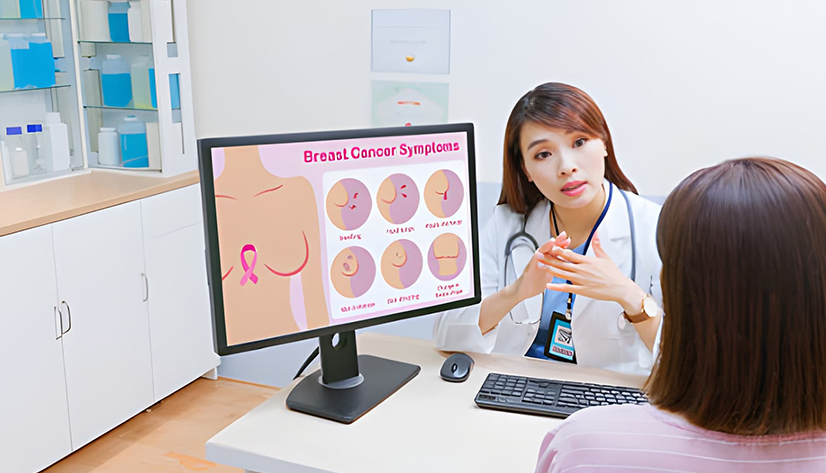
The most powerful tool we have against breast cancer is awareness. Being aware of early symptoms—such as a breast lump, changes in breast size or shape, nipple discharge, skin changes, or persistent pain—and reporting them promptly can make a life-saving difference. Regular self-examination, appropriate screening when advised, and not ignoring warning signs are critical steps.
Breast cancer treatment today is highly individualized. No two patients are treated the same way. Doctors consider the stage of cancer, its biological behavior, the patient’s age, lifestyle, and personal needs before recommending treatment. Many women are reassured to learn that not all breast cancers require aggressive treatment, and many modern therapies are more precise, effective, and better tolerated.
Equally important is emotional and psychological support. With the right guidance, family involvement, counseling, and survivor support, women can continue working, caring for their families, and leading meaningful lives during and after treatment.
Most importantly, breast cancer today is treatable and manageable. Early detection leads to excellent outcomes, and modern medical advances have transformed breast cancer care. With timely diagnosis, expert treatment, and emotional support, women can regain health, confidence, and hope—because breast cancer is not the end of life, and with the right care, patients can truly win over it.